
Uncategorized
Are Psilocybin Mushrooms Legal? What You Need to Know
Jan
Psilocybin mushrooms, commonly referred to as “magic mushrooms,” have fascinated humanity for centuries, offering profound psychedelic experiences and a potential path toward mental health breakthroughs. However, their legal status remains a patchwork of conflicting regulations, varying significantly by country, state, and even local jurisdiction. Whether you are a curious individual, a potential user, or a psychedelic advocate, understanding the legal landscape is critical to making informed decisions.
What Are Psilocybin Mushrooms?
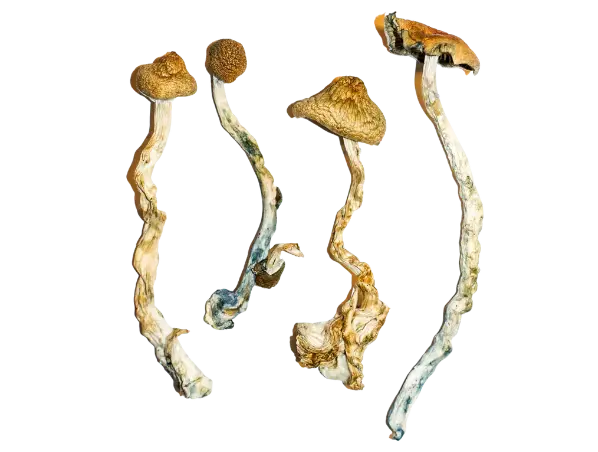
Psilocybin mushrooms are a group of fungi containing psilocybin, a naturally occurring psychedelic compound. When ingested, psilocybin is metabolized into psilocin, which affects serotonin receptors in the brain, leading to altered perception, introspection, and, often, spiritual or therapeutic insights.
While their use dates back to ancient cultures for rituals and healing, today, they are at the center of a debate over their therapeutic benefits and legal implications.
Why Are Psilocybin Mushrooms Controversial?
The controversy surrounding psilocybin stems from its classification as a Schedule I substance under the United Nations Convention on Psychotropic Substances and U.S. federal law. This classification implies that psilocybin has a high potential for abuse and no accepted medical use—a claim increasingly challenged by modern research demonstrating its efficacy in treating depression, anxiety, PTSD, and addiction.
Current Legal Status of Psilocybin Mushrooms
United States
In the U.S., psilocybin mushrooms remain illegal under federal law. However, states and cities are beginning to adopt more progressive stances:
- Decriminalization
Some cities, including Denver (Colorado), Oakland (California), and Ann Arbor (Michigan), have decriminalized personal use and possession of psilocybin mushrooms. This means enforcement priorities for these offenses are significantly reduced. - Therapeutic Legalization
Oregon made headlines by becoming the first state to legalize psilocybin for supervised therapeutic use under Measure 109, which is expected to roll out by 2024. - Ongoing Advocacy
Other states like California, Washington, and Colorado are actively exploring similar measures to decriminalize or legalize psilocybin for therapeutic and personal use.
International Landscape
- Countries Where Psilocybin Mushrooms Are Legal
- Jamaica: Magic mushrooms are legal and widely available, with a burgeoning psilocybin retreat industry.
- The Netherlands: While mushrooms themselves are banned, psilocybin-containing truffles are legal and sold openly.
- Decriminalized Nations
- Portugal: All drugs, including psilocybin, are decriminalized, focusing on public health over punishment.
- Brazil: While psilocybin isn’t explicitly illegal, its use is generally unregulated.
- Countries With Strict Laws
- Many nations, including the U.K., Australia, and much of Asia, maintain stringent bans on psilocybin mushrooms.
Key Differences: Legalization vs. Decriminalization
- Legalization: Allows regulated production, sale, and use of psilocybin, often for specific purposes such as therapy.
- Decriminalization: Reduces or eliminates penalties for possession or use but does not permit commercial production or sale.
Understanding this distinction is crucial when evaluating laws in different regions.
The Therapeutic Push for Legalization
Recent research has spurred movements worldwide to reevaluate psilocybin’s legal status. Studies from institutions like Johns Hopkins and Imperial College London show that psilocybin can significantly reduce symptoms of depression, anxiety, and addiction. Advocates argue that such results underscore the need for therapeutic legalization.
For instance, psilocybin-assisted therapy is being trialed to treat conditions like:
- Treatment-resistant depression
- PTSD
- End-of-life anxiety in terminally ill patients
Practical Tips for Navigating Psilocybin Laws
- Research Local Laws
Laws vary by jurisdiction. Know the rules in your area or travel destination. - Seek Professional Guidance
If pursuing therapeutic use, look for licensed clinics or retreats in regions where psilocybin therapy is legal. - Avoid Legal Risks
In countries where psilocybin is illegal, possession or use can result in severe penalties, including imprisonment.
Future Outlook: What Lies Ahead for Psilocybin Mushrooms?
The landscape is evolving rapidly. Progressive legislation, combined with public interest in alternative therapies, suggests that psilocybin mushrooms may soon gain broader acceptance. Advocates predict:
- Expansion of therapeutic legalization programs.
- More cities and states adopting decriminalization policies.
- Increased investment in psilocybin research and development.
However, challenges remain, including public skepticism, regulatory hurdles, and the need for clear, science-backed policies.
Frequently Asked Questions (FAQs)
- What are psilocybin mushrooms, and why are they controversial?
Psilocybin mushrooms contain a psychoactive compound, psilocybin, which is federally illegal but shows promising therapeutic potential. - Are psilocybin mushrooms legal in the United States?
They are illegal federally but decriminalized or legalized for therapy in some states and cities. - Which countries have legalized or decriminalized psilocybin mushrooms?
Countries like Jamaica and the Netherlands have legalized aspects of psilocybin, while others, like Portugal, decriminalized its use. - What is the difference between legalization and decriminalization?
Legalization permits regulated use, while decriminalization reduces penalties without making use fully lawful. - Can psilocybin mushrooms be used legally for therapy?
Yes, in places like Oregon and clinics in Jamaica. - Are there penalties for possessing psilocybin mushrooms in illegal jurisdictions?
Yes, penalties can range from fines to imprisonment, depending on the country. - What is driving the movement to legalize psilocybin mushrooms?
Growing evidence of their mental health benefits and public demand for alternative treatments. - Are there specific U.S. states where psilocybin mushrooms are legal or decriminalized?
Yes, states like Oregon and cities like Denver have implemented progressive laws. - What is the outlook for the future of psilocybin mushroom legalization?
With increased research and public support, broader legalization seems likely. - How do cultural attitudes influence the legality of psilocybin mushrooms?
Societal stigma and historical misuse have influenced strict laws, but attitudes are shifting toward acceptance.
